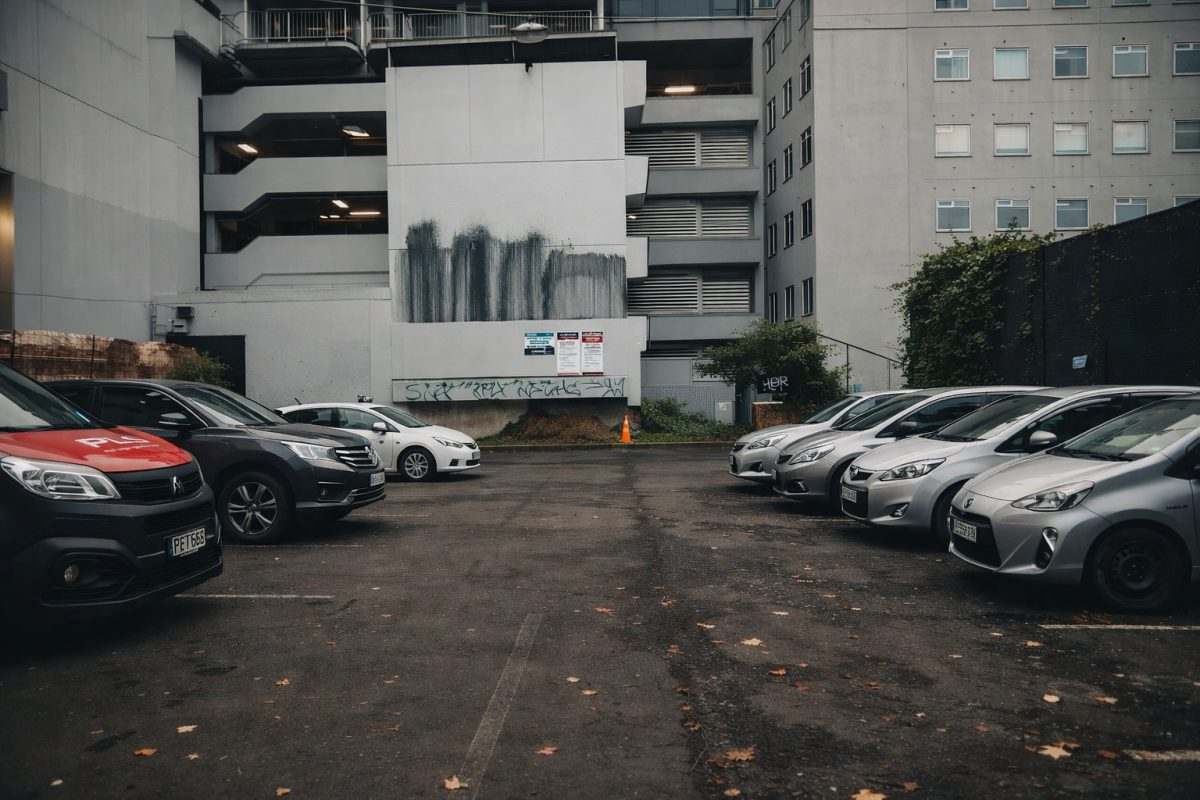
Wilson Parking Breach Notices: Is That Windscreen Ticket Actually Enforceable?
There is a particular sinking feeling that comes with spotting a plastic sleeve under your wiper in a Wilson lot off Federal Street. Most Auckland drivers assume it is a parking fine and then either pay it on the spot or lose a week worrying about it. It is neither of those things, and the difference between a company invoicing you and a council fining you changes almost everything about what can happen next.
The Envelope Under Your Wiper Is Not A Fine
Who Actually Put It There
Read the top of the notice before anything else. If the name on it is Wilson Parking, Care Park, Secure Parking or a property manager acting for a building, nobody from Auckland Transport has been near your car. Those are private companies running private land, and the patroller who slid the sleeve under your wiper works for one of them.
That covers a lot of Auckland. The basement lots off Durham Lane and Wyndham Street, the after-hours bays behind suburban shops, the visitor parks at apartment blocks in Newmarket and Mount Eden, the retail carparks where a two-hour limit is enforced by a company you have never heard of.
Some notices work hard to blur the line – yellow and black, a reference number, a due date, a font that would sit comfortably on a council document. Land ownership decides which system you are in, not how official the signage looks.
How This Differs From An Auckland Transport Ticket
An Auckland Transport infringement is issued under statute. A warden acting under the traffic bylaw records the breach, the notice goes to the registered owner, and if it is not paid or successfully challenged it can be filed with the court as a fine and collected through the Ministry of Justice.
A private breach notice has none of that machinery behind it. It is a company saying you agreed to their terms when you parked and then broke them, and asking for the sum their signage says applies. In legal terms that is a claim for breach of contract, in the same family as an unpaid invoice. It is not a fine, because only a public body can fine you.
I have written separately about contesting AT tickets, and almost none of that process transfers here.
The Contract You Made By Parking

The Sign Is The Offer And Your Wheels Are The Acceptance
The theory is simple enough. The sign at the entrance is the offer – these are the hours, this is the tariff, this is what we charge if you overstay or park outside a marked bay. Driving in and leaving your car is treated as accepting it. No signature, no conversation with anyone.
Which puts a great deal of weight on the sign. Terms generally have to be brought to your attention before you commit, and that is where the arguments start in real Auckland lots. The only board is halfway down a ramp you took in the dark. It is faded to the point where the breach amount is a guess. The condition sits in small print on a machine you never reached, because you were already parked.
None of that automatically voids anything. It is simply the part most drivers never think to look at.
Whether The Amount Stacks Up
Then there is the number. A breach fee of $65 to $95 is common, and it sits oddly beside a tariff of six or seven dollars an hour in the same lot. Overstay by forty minutes and the operator has lost about five dollars of parking revenue.
Their answer is that the sum is not lost revenue alone. It covers the patroller who checked the bay, the plate lookup, the letters, the administration of chasing it, and a space blocked by someone who never intended to pay. Framed that way, it is a genuine estimate of what the breach costs them.
The counter is that ten or fifteen times the parking rate looks less like a cost estimate than a deterrent, and penalty clauses of that shape have had a rough time in court. Which argument holds depends on that operator and that evidence, and I am in no position to call it for you.
They Have The Plate, Not The Driver
Here is the part that trips people up. The patroller photographed a number plate. The letters that follow go to the registered owner, traced through the Motor Vehicle Register, because that is the only name attached to the vehicle.
A contract claim, though, is against whoever made the contract, and that is whoever drove in and parked. If your partner borrowed the car, or your sister was down from Whangarei for the weekend, the registered owner was not in the driver’s seat. Auckland Transport sidesteps this because owner liability is written into the legislation; a private operator has no such shortcut, which is why their letters usually invite you to name the driver.
That is a real distinction, not a magic word. The letters do not stop because of it, and going silent on correspondence carries its own consequences.
What Enforcement Actually Looks Like
The Letters Get Firmer Before Anything Else Happens
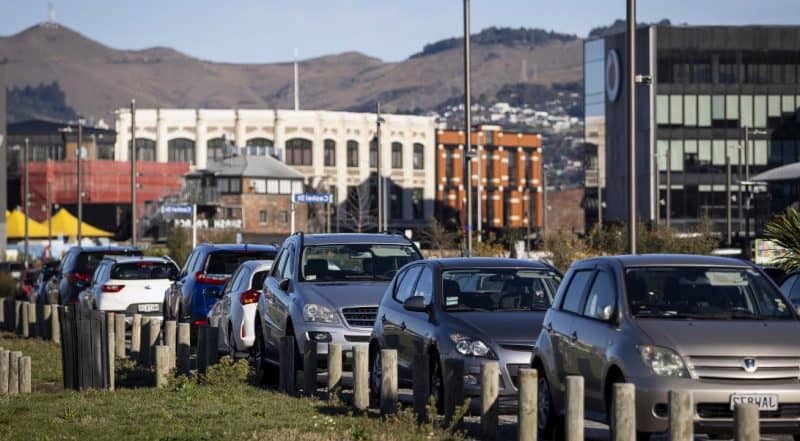
Nothing dramatic happens quickly. What happens is paper. The windscreen notice becomes a reminder, the reminder becomes a final demand, and somewhere in there an administration fee gets bolted on, so the $80 you were first asked for is now $130.
The tone escalates faster than the process does. Capital letters, red type, phrases like LEGAL PROCEEDINGS MAY BE COMMENCED. Worth being clear about what that is: a letter from a company stating an intention. A court document looks nothing like it, arrives differently, and names a case.
The other thing that does not happen is physical. Once you have driven off, nobody is clamping or towing your car over a notice from three weeks ago. Clamping is a live-moment tactic in Auckland lots, not a debt recovery one.
Debt Collectors And Your Credit File
Sooner or later the file often lands with a collection agency. They will write, they will phone, and they may add a fee of their own for the privilege. What they cannot do is anything a court has not authorised – no seizing property, no deducting from wages, no authority at your door that they do not actually hold.
The lever they do have is your credit file. A default listed with Centrix or Equifax can sit there for years and surface when you apply for a car loan or a rental, which is why plenty of people pay a disputed notice simply to make it disappear. If you genuinely dispute the debt, say so in writing – it changes how the debt should be handled and gives you a paper trail. The rules collectors work under are set out on the government’s debt collection guidance pages.
The Disputes Tribunal Is Where It Would Actually Be Decided
If an operator wants the money and you will not pay, the only way they get a binding answer is to file a claim. At these sums that means the Disputes Tribunal – claims up to $30,000, a modest filing fee, no lawyers on either side, and a referee who hears both people in a room and decides.
That is where the questions raised earlier actually get tested. Was the signage adequate. Was the amount a real estimate of loss. Was the person named the person who parked.
It also explains why few of these ever get there. Filing costs staff time and a fee to chase a sum that started at $80. That calculation is made operator by operator, and some are far more willing to file than others. I would not build a plan on assuming yours is not.
Deciding What To Do From Here
Get Your Evidence Before The Sign Changes
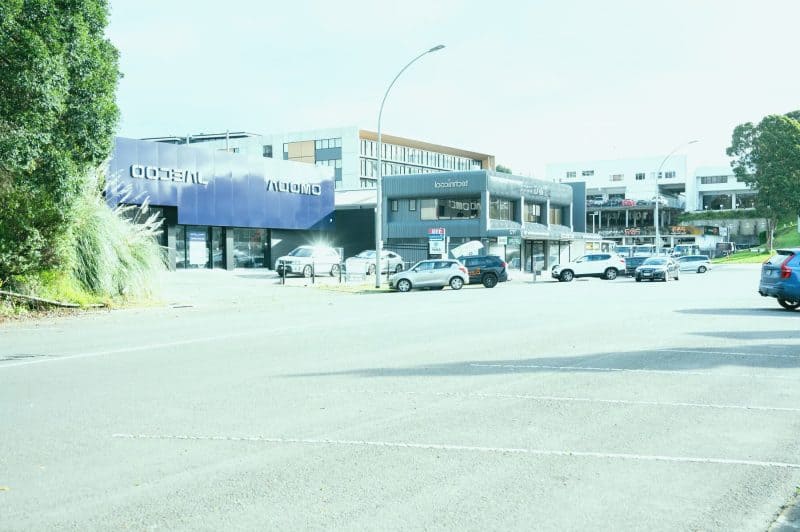
Whatever you decide, gather the evidence now, while the lot still looks the way it did when you parked. Signs get replaced, tariffs change, and a faded board you could photograph today may be crisp and legible in six weeks.
Worth capturing on your phone:
– The entrance signage, wide enough to show where it sits relative to the ramp and how visible it is from a moving car
– The full terms board at close range, so the breach amount and the time limit are readable
– The bay you used, the lines, and any sign or bollard near it
– Your payment record – session times, app history, bank or machine receipt
Multi-level lots deserve the most care, because the only real terms board is often at street level near the ramp with nothing at all on the deck where you parked.
Where To Get Advice That Is Actually Advice
Everything above is general information about how private parking notices work in Auckland. It is not legal advice, it knows nothing about your signage or your notice, and none of it predicts what would happen in your case.
If you want an actual opinion on your own notice, it is free to get one. Community Law runs free legal help through centres across Auckland and a national phone service, and consumer contract questions are ordinary work for them. The Citizens Advice Bureau is the other easy first call – offices in most suburbs, no appointment needed. If a claim has actually been filed against you, stop reading articles and talk to someone who can look at the paperwork.
The drivers who come out of this well are rarely the ones who were most certain they were right. They are the ones who went back and read the sign, kept the photographs, replied in writing, and made a deliberate call either way.
The gap between a breach notice and a council infringement is not a loophole, and treating it as one is how people end up in a tribunal room with no photographs and no paperwork. It is a different mechanism, run by a company rather than a regulator, and it rewards drivers who read the sign and keep records. Decide what you are doing deliberately, rather than by leaving the envelope in the glovebox until the letters start arriving in red.
4 Comments
The bit about the sign being halfway down the ramp is exactly my situation. Basement lot near Durham Lane, you come off the street into the dark and the terms board is on the wall past the barrier by which point you are already committed. Got a notice for $85 for overstaying by half an hour. Photographed the whole entrance the next morning like you say, and honestly the photos tell the story better than any letter I could write.
Same thing happened to us, except the car is in my name and my brother was the one driving it that day. Three letters have come to me and none of them seem to care who was actually there. Have replied in writing both times, which at least means there is a record now.
Good clear write up. The credit file point is the one people should read twice – I know two people who paid a notice they thought was rubbish purely because they had a mortgage application going through and did not want to risk anything showing up.
Fair article but I reckon you are a bit generous to the operators on the fee. Ten times the hourly rate for going four minutes over in a half empty carpark in Newmarket is not administration costs, whatever they call it in the letter. Anyway, off to the CAB.