Residents Parking Zones in Auckland: How the Permit Schemes Work
Come home to a full kerb on your own street enough times and a residential parking zone stops sounding like bureaucracy and starts sounding like relief. Auckland now runs these schemes across the older inner suburbs, from Ponsonby to Parnell, each with its own permits, coupons and two-hour limits. Here is how the system actually works, whether you live inside a zone or are just trying to park in one without collecting a fine.
What A Residential Parking Zone Actually Is
The Problem These Zones Were Built To Fix
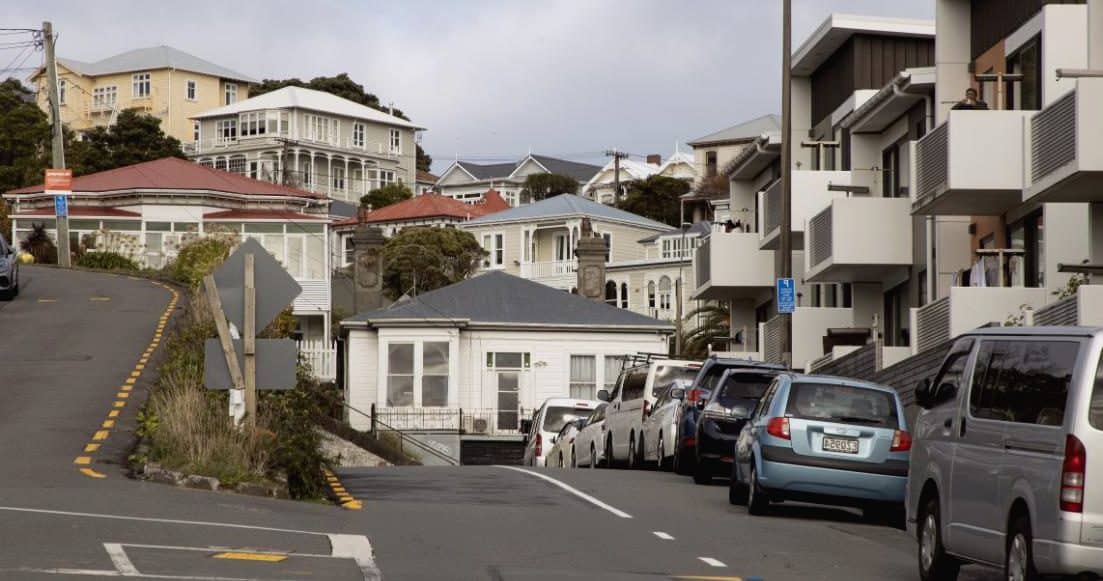
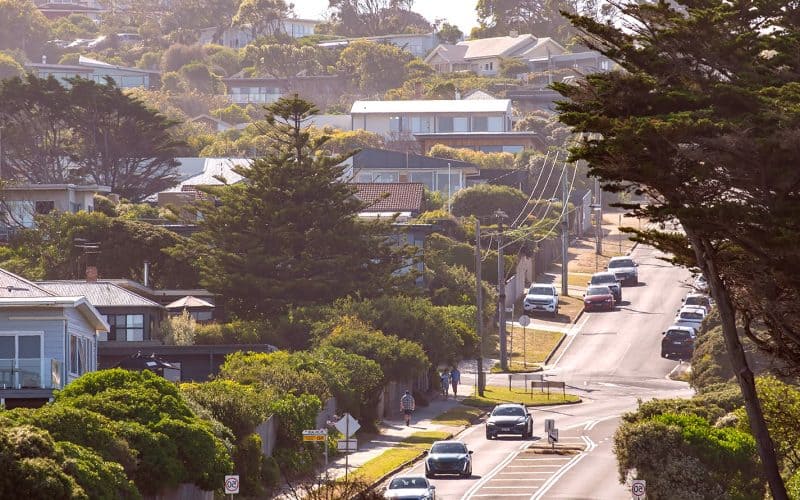
If you live in an inner-city street and have ever come home to find every metre of kerb taken by someone else’s car, you already understand why these zones exist. The central suburbs were never designed for the number of commuters who now drive in, park for free on a residential street, and walk the last few blocks to a job in town. The result was streets where the people who actually lived there could not park outside their own homes.
A residential parking zone is Auckland Transport’s answer to that. Inside a zone, the kerb is reserved for residents who hold a permit, while everyone else is held to a short time limit. The point is not to punish visitors. It is to stop a free public street from quietly becoming an all-day commuter car park.
How The Two-Hour Limit Works For Everyone Else
The mechanism is simpler than the signage makes it look. Across most zones, anyone without a permit can park for up to two hours on weekdays, typically between 8am and 6pm. Outside those hours, and at weekends, the restriction usually lifts and the street parks like any other.
That two-hour window is the whole game. It is long enough for a tradie to do a job, a friend to drop in, or a shopper to grab lunch in Newmarket. It is short enough that nobody can leave a car there from nine to five. If you overstay without a permit or a coupon on the dash, that is when the warden’s handheld starts paying attention.
Where The Zones Are In Auckland
The Central Suburbs Covered Right Now
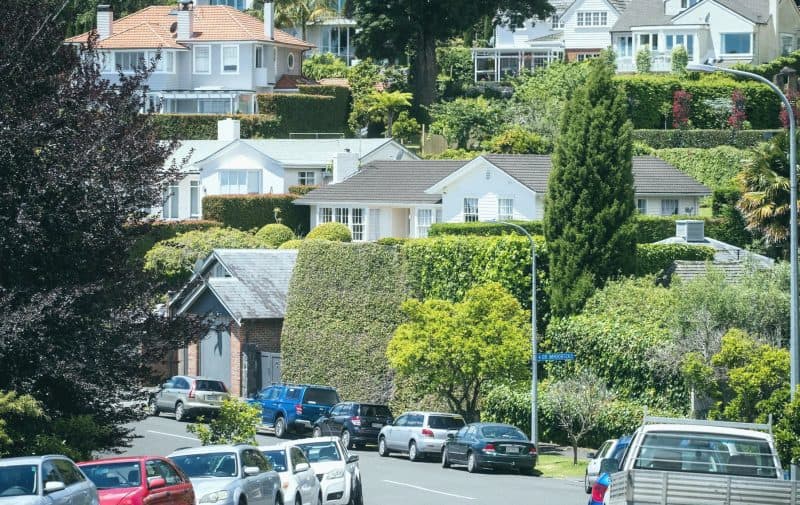
The zones cluster where the pressure is worst, which means the older suburbs ringing the city. Auckland Transport’s list of residential parking zones currently covers Ponsonby, Freemans Bay, St Marys Bay, Herne Bay, Grey Lynn and Arch Hill on the western side, then Eden Terrace, Mount Eden, Grafton, Newmarket, Parnell and Remuera as you swing east. Takapuna carries a zone across the bridge on the Shore.
Some of those suburbs are split into sub-areas, so Parnell alone runs as Parnell, Parnell Central, Parnell East and Parnell South, and Mount Eden has a separate central pocket. The boundaries follow the streets where commuter overflow actually lands, not tidy suburb lines on a map.
Why Ponsonby And Freemans Bay Were First In Line
It is no accident that the western inner suburbs led the way. Places like Ponsonby sit a short walk from the CBD, are full of narrow Victorian streets with no off-street parking, and have a villa stock that predates the car entirely. A house built in the 1900s on a single title has nowhere to put a vehicle except the street out front.
Freemans Bay has the same bones, plus a wall of newer apartments whose residents are also competing for that kerb. When you stack pre-war housing, dense flats and a ten-minute walk to a town job onto the same few streets, demand outstrips supply badly enough that a permit scheme becomes the only fair way to ration it.
Reading The Signs Before You Trust Them
Do not assume a whole suburb is a zone, and do not assume a zone runs the same way on every street. The sign at the kerb is the law that applies to that stretch, and the times and conditions can change from one block to the next.
What you are looking for is the small print under the parking sign: the hours the restriction applies, the time limit for non-permit holders, and any wording about permit and coupon holders being exempt. If the sign says weekdays 8am to 6pm and you are there on a Sunday, you are fine. If it is a Tuesday at 11am and you have no permit, the clock started the moment you parked.
Getting A Permit If You Live There
Who Qualifies, And Who Gets Priority
A permit is tied to a residential address inside the zone, not to you personally, so the first test is simply where you live. Beyond that, Auckland Transport works through a priority order when demand outruns the kerb, because permits are capped at around 85 percent of the available spaces. Nobody is guaranteed one just for asking.
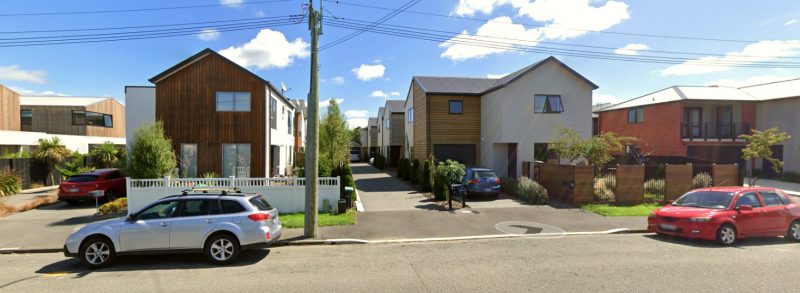
The order favours the people with the fewest options. A house on a single title with no off-street parking sits at the top, followed by older apartment buildings without parking of their own. Homes that already have a garage or an off-street space drop down the list, and businesses and community groups sit lower again. The logic is consistent: if you have somewhere else to put the car, you wait behind the person who genuinely does not.
How Visitor Coupons Cover The People You Invite
A permit sorts out your own car, but it does nothing for the plumber, the in-laws, or the mate who comes round to watch the rugby. That is what the coupon system is for. Eligible households can get a block of one-day visitor coupons each year, with allocations sitting around fifty per household depending on the zone.
A coupon goes on the visitor’s dash and buys them a day outside the usual two-hour limit. Use them deliberately. Fifty sounds like plenty in March and feels very thin by November if you hand them out for every quick visit. Keep them for the people who actually need to be parked all day, and let short visits ride the standard two hours.
The Annual Renewal That Catches People Out
A residential permit is not a buy-once-and-forget arrangement. Each zone has a fixed annual renewal date, and you have to re-apply rather than drift along on last year’s permit. Freemans Bay, for instance, renews in mid-November, and other zones have their own set dates.
Miss the renewal and you are back to two hours like any visitor, on your own street, which is a quietly infuriating way to collect a ticket. Put the date in your phone the day your permit is approved. The cost is a flat annual fee per vehicle, and it has been climbing in the central zones, so check the current figure on the AT site rather than assuming it matches what you paid last year.
When It Goes Wrong
Parking There As A Non-Resident Without Getting Pinged
You can park in a zone as a visitor. The whole design assumes you will. The only rule that matters is the two-hour weekday limit, so the safe play is to treat every zone street as a two-hour park unless you are certain you are outside the restricted hours.
If you need longer, your options are honest ones: find a paid building nearby, come back after 6pm or at the weekend when most zones open up, or get a coupon from the resident you are visiting. What does not work is shuffling the car a few metres down the same block to reset the clock. Wardens log plates and locations, and moving within the same zone is exactly the trick the scheme is built to catch.
If You Think The Ticket Was Wrong
Tickets do get issued in error. A sign can be obscured, a permit can be on the dash but face-down, or the restricted hours may not have actually applied when you parked. If any of that is true, you can challenge the infringement through Auckland Transport’s waiver process rather than just paying it to make it go away.
Gather your evidence before you write anything: a photo of where you parked, the sign as it actually read, the date and time, and your permit or coupon if you had one. Lay out plainly why the ticket should not stand. This is about disputing a parking infringement on the facts, not a legal argument, and for anything that escalates into a formal court dispute, free help from Community Law is the right next stop rather than guessing.
Strip away the signage and the priority lists and a residential parking zone is just a city deciding that the people who live on a street should get first call on parking outside their own homes. Whether you hold a permit, hand out coupons, or are simply visiting for the afternoon, the same two-hour discipline keeps the whole thing fair. Learn how your own zone reads its rules, and the streets stop feeling like a lottery.
4 Comments
Spot on about Freemans Bay renewing in November. Forgot mine two years running and got pinged outside my own house both times. Now it lives in my calendar.
Is the two-hour limit the same in Parnell East as the main Parnell zone? Sign on my street is a bit faded and I can never tell if I’m reading it right.
The sign on the kerb is the one that counts, the sub-zones can differ. If it’s faded enough that you genuinely can’t read it, photograph it – that’s worth having if you ever cop a ticket there.
Good explainer. The coupon allocation is the bit people miss – we burned through ours by winter handing them out for quick visits. Save them for the days someone actually needs to be there all day.