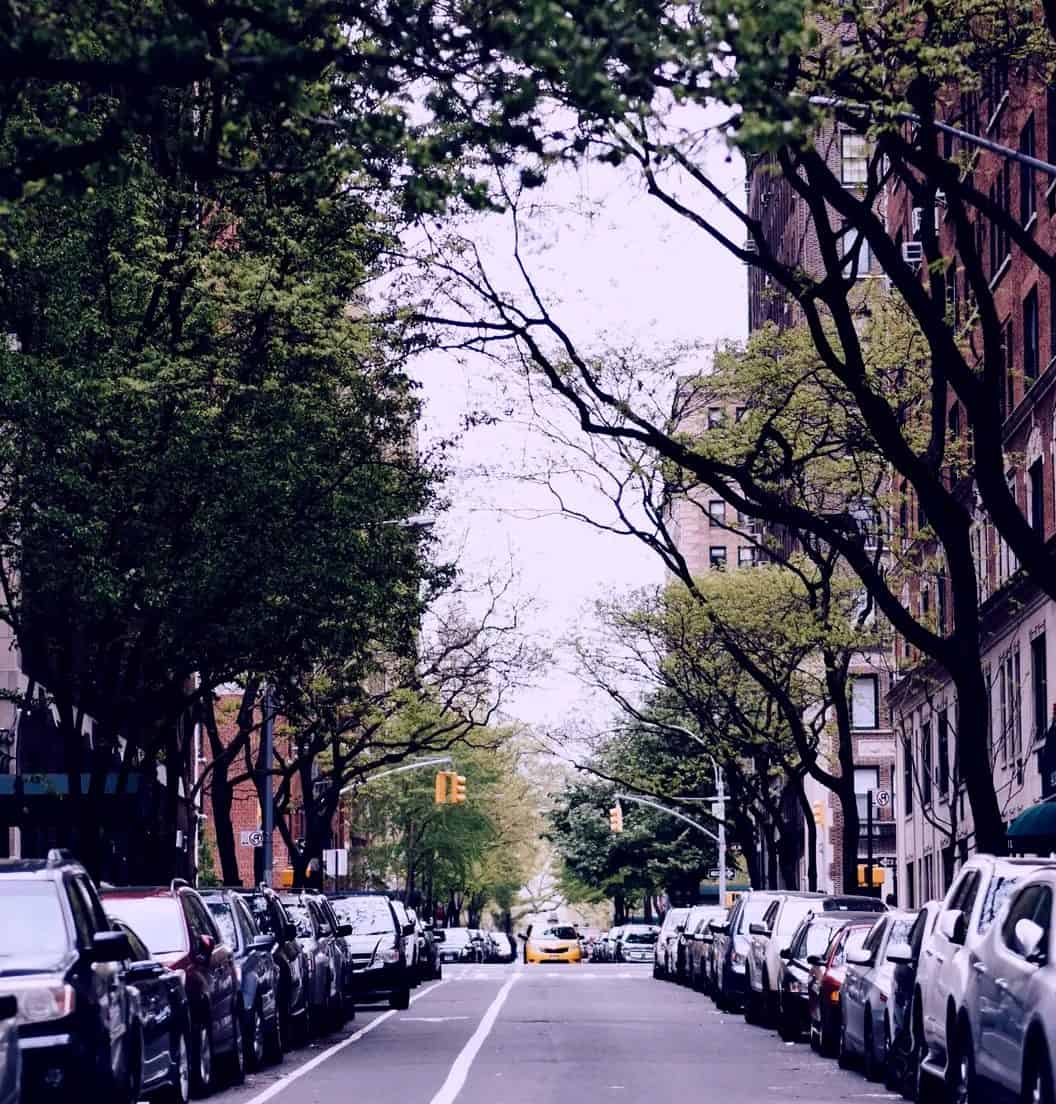
Reading Auckland Parking Signs: A Driver Guide to the Confusing Ones
Auckland’s parking signs are not hard because the rules are complicated. They are hard because three or four of them get bolted to the same post, each one quietly changing the meaning of the one above it. Learn to read the stack in order and the most confusing kerb in the city becomes decodable on sight. This is how the panels, arrows and lines actually fit together.
Start With The Sign, Not The Kerb
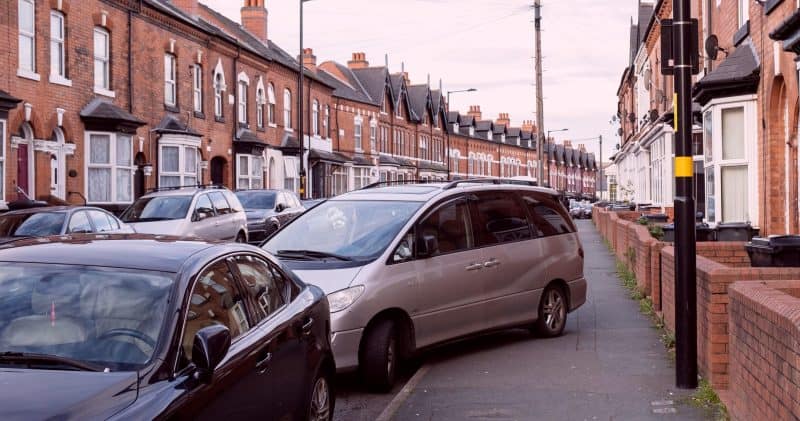
Read From The Top Down
The mistake nearly everyone makes is looking at the kerb first. The kerb tells you whether there is a physical space; the sign tells you whether you are allowed to use it. On an Auckland post you will often find two, three, even four panels bolted above each other, and the order is the whole point. The topmost panel is the general rule for that stretch, and everything below it narrows that rule down.
So read from the top and work down. The first panel might say P60. The next might add the hours that limit applies. The one under that might carve out a loading exception for part of the day. Each panel modifies the one above it, never the other way around. Read only the bottom sign and you will get the time band but miss the restriction it belongs to.
Auckland Transport keeps a plain-language rundown of the common signs on its parking in Auckland pages. But the reading habit matters more than memorising any one sign: top to bottom, general to specific.
What The Arrows Actually Mean
Once you have read the panels, the arrows tell you where the rule actually bites. A single arrow pointing left means the restriction runs from the post in that direction only. Stand at the sign, look the way the arrow points, and that is the kerb it governs; the space on the other side of the post is a different question with possibly a different sign.
A double-headed arrow means the rule applies in both directions from that post, often mid-block where one restriction covers a long run of kerb. This is why parking right under a sign can still earn you a ticket: the sign you are standing beside might mark the start of a no-stopping run that begins exactly there. The arrow is the difference between a legal park and an expensive one.
The P-Numbers And Their Fine Print
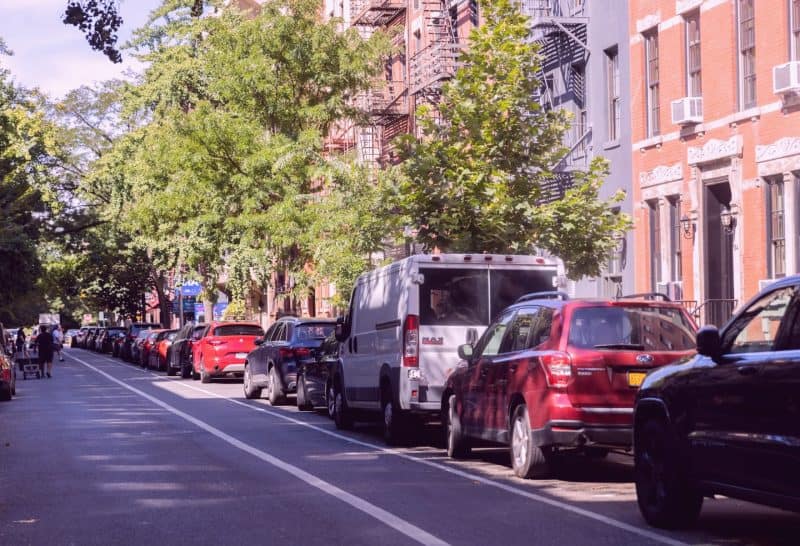
P5, P30, P60, P120 Decoded
The P stands for parking and the number is the maximum minutes you are allowed to stay. P5 is five minutes, the kind you see outside a dairy or a courier drop. P30 covers a quick errand. P60 and P120 are the standard one and two hour bands you find on shopping streets and around the city fringe.
The part people forget is that the number is a ceiling, not a promise. P120 does not mean you are guaranteed two hours of space; it means if you find a space you may stay up to two hours. Overstay it by a minute past the limit and you are exposed, even if the bay is empty all around you.
Match the band to the errand. A P5 is no good for a sit-down coffee, and parking in a P120 for a thirty-second pickup wastes a space someone else needed. The number is doing real work, so read it before you commit the car.
When The Time Limit Is Actually On
Here is the panel that saves you the most money: the hours. Most P-restrictions in Auckland only apply during posted times, very often Monday to Friday, 8am to 6pm, sometimes with a separate Saturday band. Read that panel and the whole picture changes.
Outside those hours, the limit usually lifts entirely. A P60 street that is bumper to bumper and ticking over at 4pm on a Wednesday can be free, untimed parking at 7pm or all day Sunday. People circle for a paid building at night when the kerb two streets over has gone quietly unrestricted.
So the question is never just “what is the limit” but “is the limit even on right now”. If the sign says the restriction runs Mon-Fri and it is Sunday morning, the number above it is asleep. Check the hours before you assume you have to pay or move.
No Returning Within
You will sometimes see wording like “no returning within 1 hour” tacked onto a P-restriction. It exists to stop the old trick of sitting out the limit, moving the car a few metres, and starting the clock again. Under that wording, once your time is up you have to genuinely leave the area for the stated period before you park there again.
Wardens used to enforce this with a stick of chalk on the tyre. A lot of Auckland enforcement now runs on number-plate recognition, with cameras logging when and where your plate was last seen, so shuffling forward two car lengths resets nothing. If the sign says no returning within an hour, treat the limit as a hard stop rather than something you can game.
The Lines That Cost You Money
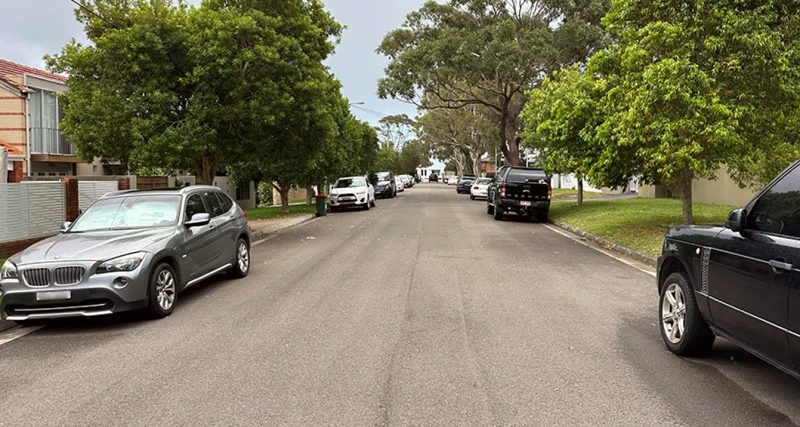
Broken Yellow Lines
Broken yellow lines painted along the edge of the kerb are the single most expensive marking to misread. They mean no stopping at all, at any time, full stop. Not no parking, no stopping, which includes pulling over to wait for someone or ducking in for thirty seconds. The marking applies around the clock and it overrides any friendlier-looking sign nearby.
People get caught because a broken yellow line does not look as final as a solid one feels. It is dashed, it sits low against the kerb, and on a busy street it is easy to miss under parked cars further along. But the dashes are not a soft version of anything. The New Zealand Road Code is blunt about it: where there are broken yellow lines marking the kerb, you cannot stop there.
If you see them, keep moving. There is no time band to wait out and no exception hiding on a panel above. It is the one marking where the answer is always no.
Loading Zones And Who They Are For
A loading zone is not a free park for ten minutes, even though plenty of people treat it that way. The bay is reserved for goods vehicles and couriers actively loading or unloading, and the sign will usually spell out the vehicle class and the times it applies. During those hours, a private car sitting there is parked in someone’s working space.
Some loading zones do post a short grace allowance for any vehicle, often a handful of minutes, and that is signed plainly when it exists. Do not assume it. Outside the posted hours the restriction often lifts and the bay behaves like ordinary kerb, so the hours panel again decides whether the rule is awake.
Clearways And Their Peak Windows
Clearways are the trap that catches commuters and visitors alike, because for most of the day they look like perfectly normal kerbside parking. Through the middle of the day you can park along a clearway like any other street. Then the peak window arrives and the same kerb becomes a no-stopping, tow-away zone.
The windows are posted on the sign and tied to traffic flow, typically a morning band heading into the city and an evening band heading out. Park on a clearway at 10am, forget the evening window, and you can come back to a ticket or a towed car because the lane needed to clear for peak traffic. The timing is the entire restriction, so read the days and hours and treat the posted peak as a hard deadline to be gone.
The Special Cases People Get Wrong
Coupon And Pay-And-Display Zones
Coupon parking and pay-and-display zones let you stay, but only if you pay and show it. The sign gives you the rate, the maximum stay, and the hours payment is enforced. In a pay-and-display bay you buy time at the machine or in the app, and the rule is satisfied as long as your paid time covers your stay during enforced hours. Coupon zones work the same way: you display valid payment for the posted band, and a warden checking the bay is looking for proof you have covered the time you are using.
The hours panel matters here as much as anywhere. If payment is only enforced Mon-Sat to 6pm and you arrive on Sunday, the bay may be free. Read the band before you tap your card out of habit.
Mobility Bays And Resident Permits
Mobility parking bays are the one case with no grey area at all. You need a valid mobility parking permit displayed, every time, with no quick-stop exception and no after-hours softening. Parking in one without a permit is straightforwardly wrong and enforced hard, because the bay exists for people who genuinely cannot use an ordinary space.
Residential permit zones are a different shape. The kerb is restricted for general parking but exempts holders of the local resident permit, whose details are tied to the zone. If you do not hold the permit, the underlying restriction on the sign still applies to you in full. The exemption is for residents, not for everyone who reads it.
So the question on these signs is always who the exemption is for. Mobility means a mobility permit; resident means a resident permit. If the panel is naming a group you are not part of, the rule above it is still yours to obey.
Once you stop treating each panel as a separate puzzle and start reading the post as one set of instructions, the guesswork mostly disappears. The sign was never trying to trick you; it was just answering several questions at once, from the top down. Decode it in that order and you will park where you meant to, for as long as you are allowed, without the envelope from Auckland Transport a fortnight later.
4 Comments
Does the no returning within an hour rule actually get enforced with the plate cameras now? Always wondered if moving up the street still worked or if that’s well and truly over.
Yeah it’s over, mate. They scan plates now so shuffling forward does nothing – the camera already logged where you were. Found that out the hard way on Karangahape.
The arrows thing got me a fortnight ago on High Street. Parked right by the sign thinking I was sweet, turns out it pointed the other way and the bit I was in was no stopping. $70 lesson. Wish I’d read this first.
Good clear write-up. The hours panel point is the one I always forget – half the streets round Newmarket are free after 6 and on Sundays and people still pay for the building out of habit.