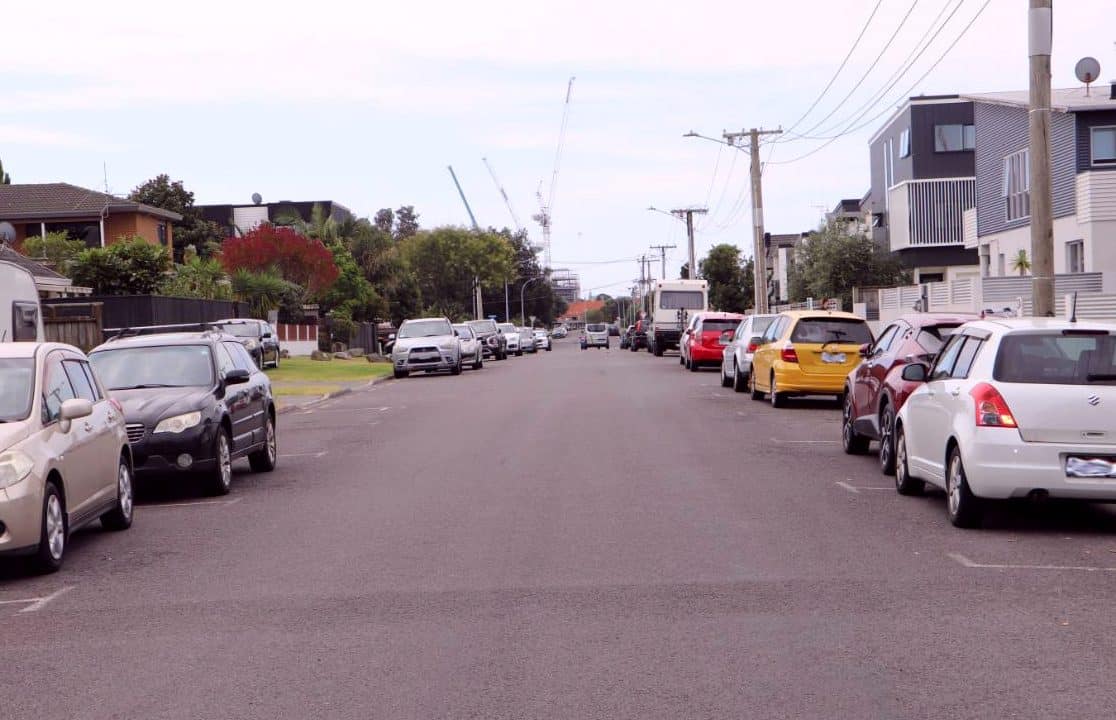
Broken Yellow Lines in Auckland: What They Mean and When You Get Fined
Half of Auckland thinks a broken yellow line means no parking. It means no stopping, and that one word is the gap between a clean windscreen and a $40 ticket for the crime of letting your kid out at the school gate. Here is exactly what the marking means, when it bites, and the everyday moves that quietly attract a fine.
What a Broken Yellow Line Actually Means
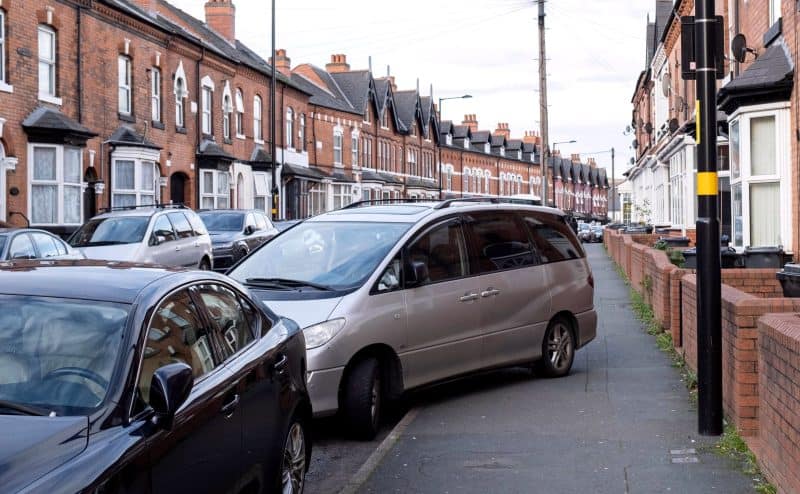
No Stopping, Not Just No Parking
Here is the thing most drivers get wrong: a broken yellow line painted along the kerb does not mean no parking. It means no stopping. There is a difference, and it is the difference between a clear conscience and a $40 ticket on your windscreen.
Under Auckland’s road rules, a broken yellow line marks a length of kerb where you cannot stop your vehicle at all during the hours the marking applies. That includes pulling over to let someone out, idling while you check your phone, or waiting two minutes for your partner to dash into the dairy. If the wheels have stopped turning and you are at the kerb on a broken yellow, you are technically in breach.
Most Aucklanders read it as a slightly stricter version of a no-parking sign. It is not. It is the strictest kerbside restriction we have, short of a clearway, and the enforcement reflects that.
How It Differs From a Solid Yellow Line
You will also see solid yellow lines around Auckland, usually painted on the road itself near the centre line rather than along the kerb. Those are a different beast entirely. A solid yellow line down the middle of the road is a no-overtaking marking, which is a driving rule, not a parking one.
The broken yellow line we care about runs along the edge of the carriageway, hard against the kerb. It is short, dashed, and yellow, and it is telling you about stopping, not overtaking.
The confusion is understandable because both are yellow and both feel like a warning. But only the kerbside broken line affects where you can pull over. If you are ever unsure which one you are looking at, check its position: middle of the road is about how you drive, edge of the road is about where you stop.
When the Restriction Applies
All Day, Every Day Unless a Sign Says Otherwise
By default, a broken yellow line applies at all times. Twenty-four hours a day, seven days a week, including public holidays. There is no quiet Sunday-morning exemption, no after-6pm grace period. If the line is there and there is no sign modifying it, assume the restriction is live whenever you are looking at it.
This trips people up constantly, because so many other Auckland parking rules have time windows baked in. Coupon zones stop charging in the evening. Some loading zones open up after hours. Broken yellow lines, by contrast, are the one restriction that genuinely does not sleep unless a sign tells you it does.
So the safe assumption on any unsigned broken yellow is simple: do not stop here, full stop, at any hour.
Reading the Sign That Changes the Hours
Sometimes you will see a broken yellow line paired with a small sign that narrows the hours – something like ‘No Stopping 7am-9am, 4pm-6pm’. That sign is doing real work. It means the no-stopping rule only bites during those windows, usually peak commuter times when the council wants the lane kept clear for traffic flow.
Outside those hours, the kerb reverts to whatever the underlying rule is, which might be ordinary parking or a time-limited zone. This is common on arterial routes feeding into the city, where a kerbside lane becomes a traffic lane at rush hour.
The lesson is to actually read the sign rather than the paint. The line tells you a restriction exists; the sign tells you when. If there is no sign, the all-hours default applies and you should treat the line as permanent.
The Mistakes That Still Get You Ticketed

Stopping to Drop Someone Off
The most common way decent, careful drivers end up with a ticket is the quick drop-off. You pull up on a broken yellow outside the school gate, or near a cafe on Ponsonby Road, your passenger hops out, and you are gone in fifteen seconds. Feels harmless. It is still a breach.
No stopping means no stopping, even momentarily, even with the engine running and someone behind the wheel. Wardens know the spots where drop-offs happen and they will ticket a stationary vehicle on a broken yellow regardless of how briefly it sat there.
If you genuinely need to let someone out, the move is to find the nearest legal kerb – even half a block away – and let them walk the rest. It feels like a hassle. It is cheaper than the alternative.
Loading, Waiting, and Hazard Lights
There is a stubborn myth that switching on your hazard lights makes stopping okay. It does not. Hazards are a courtesy to other drivers, not a parking permit. A vehicle stopped on a broken yellow with its hazards blinking is exactly as ticketable as one without.
The same goes for loading. Unless the kerb is specifically marked as a loading zone, a broken yellow line does not give tradies or couriers any special pass to stop and unload. Plenty of delivery drivers learn this the expensive way.
And ‘I was only waiting for someone’ carries no weight either. The rule is about the vehicle being stationary at that kerb, not about your intentions or how long you planned to be there.
What the Fine Costs
Stopping on a broken yellow line in Auckland attracts an infringement fee of $40. It is one of the lower parking fines on the books, which is part of why people shrug it off – but it adds up fast if you are a repeat offender on the same school run or commute.
The full schedule of parking infringement amounts is set nationally and published by the government, so you can check the current figure for any breach through the official guidance on parking offences and fees at the New Zealand Transport Agency. Auckland Transport applies those same amounts.
Forty dollars is not a fortune, but it is forty dollars for the sin of stopping where you genuinely did not need to. Once you know what the marking means, it is one of the easiest fines in the city to never receive again.
If You Get a Ticket Anyway
When It Is Worth Querying
Not every broken-yellow ticket is open and shut. If the line was faded to the point of being genuinely hard to see, if there was no marking at all and the warden misjudged the kerb, or if a sign was missing or obscured, you may have grounds to query the infringement.
Auckland Transport does have a process for challenging parking tickets, and a reasonable, evidence-backed query – a clear photo of the faded paint, the date and time, the exact location – sometimes succeeds. The key word is evidence. ‘I didn’t realise’ is not a defence; ‘the line was invisible under leaf litter and here is the photo’ might be.
Query it promptly, before the due date, and keep your tone factual. You are not arguing the law, you are pointing out that the facts on the ground did not match the ticket.
Where to Go for Real Help
If a query is declined and you still think the ticket is wrong, the matter can escalate, and that is the point where it stops being a quick admin task and starts looking like a formal dispute. This site can explain how the process works, but it cannot give you legal advice, and you should not rely on a parking blog for one.
For anything that becomes a genuine legal question – a contested infringement you intend to fight properly, or a situation where the stakes have grown – talk to Community Law, which offers free advice, or to a lawyer. They will tell you whether you actually have a case.
Most broken-yellow tickets, to be honest, are not worth that fight. The smarter play is almost always to understand the marking well enough that you never collect one in the first place.
The broken yellow line is the most misread marking on Auckland’s kerbs, and almost every ticket it generates comes down to a driver assuming no stopping means something softer than it does. It does not. Once you can read the line for what it actually says, it becomes one of the few parking fines in this city you can confidently promise yourself you will never get again.
3 Comments
Quick question – if the line’s basically worn away to nothing, is the photo-and-query route actually worth it? Mine was on a side street in Kingsland and you could barely see any yellow at all.
Genuinely did not know the hazard lights thing was a myth. Got pinged outside my daughter’s school on Richmond Road doing exactly that, fifteen seconds tops, hazards on, thought I was being responsible. Forty bucks later, lesson learned. Wish I’d read this two months ago.
Good write up but I reckon you’re being a bit generous to the wardens. The whole point of a 15 second drop off is you’re not blocking anyone. Ticketing that feels like revenue gathering rather than safety. Still, useful to know where I actually stand.